













Buying a house is supposed to be an exciting moment in anyone’s life. It brings up ideas of a fresh start, an exciting new chapter, and an opportunity to put the past behind you.
When you speak to people who’ve recently gone through the process, though, you’ll likely be presented with a different picture entirely. The phrases ‘nightmare’ and ‘never again’ will probably appear.
The reality of buying a house in the UK is that it’s stressful and time-consuming. There are also lots of expenses involved, which feels risky when you’ve got no guarantee of it completing.
You might be surprised to hear, though, that not every country experiences this. In some places across the world, the house-buying process is less painful, and something that resembles an exciting life journey.
To understand why the UK house buying process is different to others, and what it actually involves, let’s walk through the process.
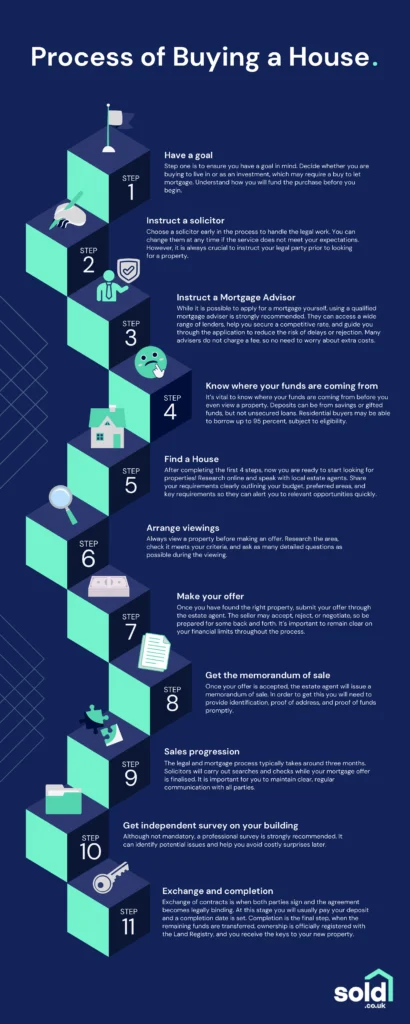
Let’s start with the basics…
At a glance, buying a house can sound quite straightforward. You get your finances prepared, find a house that you like, and make an offer. If they say yes, you need to complete the paperwork – and voila! The house is officially yours.
Let’s just say that the reality rarely resembles the ideal scenario.
Your journey begins before you view your first ever property. You’ll spend months, or years, saving up every penny you can to increase your deposit. You may also actively negotiate for a pay rise at work, to increase the amount you can borrow.
Next comes speaking to a mortgage advisor or broker. Around 80% of buyers now use a broker rather than going directly to a bank. In theory, a whole-of-market broker can search across lenders instead of offering just one bank’s products.
At the same time, you may be speaking to a few different solicitors, to see which one suits you best. It’s not just about their customer reviews or specialisms, but whether your personalities are compatible, and if you feel safe and secure in their hands.
Only once these foundations are in place should the property search begin.
Get a clear budget, and a type of house you’re looking for, and jump onto Rightmove to see what stands out. You could also speak to estate agencies in the area you’re looking for, to see if they have any houses that fit the bill.
Once you make an offer, and it’s accepted, contracts are drafted and mortgage applications are finalised. Searches will be ordered and surveys are carried out. Almost all of this falls under your solicitor’s responsibility, so don’t stress too much, but it’s useful to know what’s going on behind the scenes.
There’s a big gap between perception and reality
One of the biggest shocks for buyers is how long everything takes. And studies consistently find that most people underestimate the true time involved with buying a house.
A survey by The Open Property Data Association found that delays are typically three times longer than buyers anticipate. 57% of respondents expected their purchase to complete within two months. In reality, timelines stretched much further.
46% of people said their transaction took between three and six months, while 16% reported delays exceeding six months. Even among repeat buyers, 62% encountered delays beyond three months.
Some of the biggest culprits for these delays are long chains, conveyancing, and mortgage funding. It only takes one small issue, and a domino effect can ensue, which affects the rest of the process.
‘Subject to Contract’: where the problem begins?
The English and Welsh system has a unique, and controversial, feature: almost everything is agreed ‘subject to contract’. That means an accepted offer is not legally binding.
This lack of early commitment is a major reason transactions collapse. Deals can fall apart after months of work and expense. Surveys are paid for, and legal fees incurred, only for it all to be wasted by someone’s indecision.
If you’ve lived in England and Wales for your entire life, you may accept this as completely normal. In other major countries all over the world, though, they take a completely different approach.
Scotland does things differently, with earlier legal commitment and fewer fall-throughs. Likewise, in Spain, they require a binding agreement when you make your offer, meaning that you can’t pull out. All transactions are typically faster and more certain as a result.
The costs that no one warns you about
When you prepare to buy a house, it’s no secret that you need to save up aggressively, because it’s an expensive transaction. One of the things you might not be prepared for, though, is the huge costs involved in the process.
You should budget for a range of admin costs that can add several thousands to the total price.
Mortgage advice is one of the first considerations. Around 80% of buyers use a broker, while roughly 20% apply directly to lenders. Many brokers are fee-free and offer the same service as paid advisers, while others charge up to £500. This fee is usually payable once your transaction completes.
Legal work is unavoidable, whether buying with a mortgage or cash. Conveyancing fees range from £1,500 to £2,500, with leasehold purchases often costing more than freeholds.
Stamp duty, where applicable, is usually processed alongside legal fees. If you’re a first-time buyer, you usually pay nothing if your house is below the threshold.
Surveys are another critical safeguard. Costs range from about £600 to £1,400, ranging from basic condition reports to full structural surveys. Spending hundreds upfront can prevent you from inheriting major defects that you didn’t know about. It’s certainly a worthwhile insurance policy.
What’s it like for a first time buyer?
You need to do lots of research when you’re buying for the first time, to ensure that all the details we’ve already covered don’t shock you. Otherwise, you may find that you haven’t budgeted enough, or that the stress levels simply gets the best of you.
First-time buyers have had it particularly tough over the past decade in the UK. Research shows the cost of getting onto the ladder has risen by 63% compared to 10 years ago. The average first-time buyer age now sits in the early 30s, up from the late 20s a generation ago.
Price-to-income ratios tells quite a powerful story. In the mid-1990s, the average home cost around 3.5x the average salary. Today, in many areas, it’s well into double digits. If prices had tracked wages, homes would be dramatically cheaper than they are now.
Yet demand hasn’t disappeared. First-time buyer numbers have actually grown over the last decade in the UK. Many are teaming up with partners or family, using gifted deposits, or exploring shared ownership.
The average age of a first time buyer in the UK is 34, which is a number that continues to rise. Yet, the UK still outperforms a few other major countries in this area. Canada and Australia both have an average age of 36. And in New Zealand, it’s 35.
Mortgages aren’t one-size-fits-all
Mortgages aren’t one-size-fits-all anymore. While the ‘traditional’ repayment mortgage model continues to be the most popular, there are a few alternatives, which are designed to help people trying to get onto the housing ladder.
Family-assisted mortgages is one of the prime examples. Joint borrower sole proprietor arrangements is another. And you can also get a guarantor, who agrees to pick up your mortgage repayments if you fail to meet them.
Bridging loans sometimes appear as a supposed quick fix when timing doesn’t line up. It can seem attractive in a moment’s notice, but in reality, they come with high interest and risk if not repaid quickly. You should treat them with caution.

Is house buying reform on the way – and will it be enough?
It’s no secret that the house buying process, in its current form, isn’t fit for purpose. So, what is the UK government doing to turn this situation around?
Currently, buying a home can take around 150 days from accepted offer to completion. The government wants to cut that timeline by around four weeks and halve fall‑throughs in the process.
Central to the proposals is a push for greater transparency and digitisation. Sellers and estate agents would need to give vital property information upfront. This includes condition, leasehold costs, and chain details. This means that buyers are better informed before committing.
Another idea is to explore early binding contracts, to reduce late withdrawals. Government consultations mention expanding digital data sharing and identity verification, designed to modernise a largely paper‑based system.
Supporters argue these reforms could save buyers hundreds of pounds, cut stress and boost confidence in the market. It also aims to emulate other major countries, who have a much faster system than the UKs.
Here’s how buyers can make it less painful…
You can reduce your risk and stress by being proactive throughout the process. Get your finances in order as soon as possible, including your credit files.
You should also get all your professionals in place and ready to go. The main examples, obviously, are your conveyancer, mortgage adviser, and surveyor.
Try to pick professionals who are well-regarded for their response times. You could speak to past customers or check online reviews to verify this.
Acting quickly when documents are requested prevents your file slipping down the pile. This is entirely in your hands – and if you’re proactive with everything you do, it can help to build momentum.
And lastly, set realistic expectations about how long it’s going to take. It won’t be over in a matter of days. It’s probably going to be a longer journey than you expect – but the result will be so worthwhile.